
The night before surgery was strange. After weeks of appointments, scans, research and second-guessing myself, there was nothing left to decide. I had chosen the implant. I had chosen MED-EL. The surgery was scheduled, the arrival time was set, and the next step was simply to show up. “Simply,” just that easy. Weeks before it felt like it would be “that easy” but the night before? Not so much.
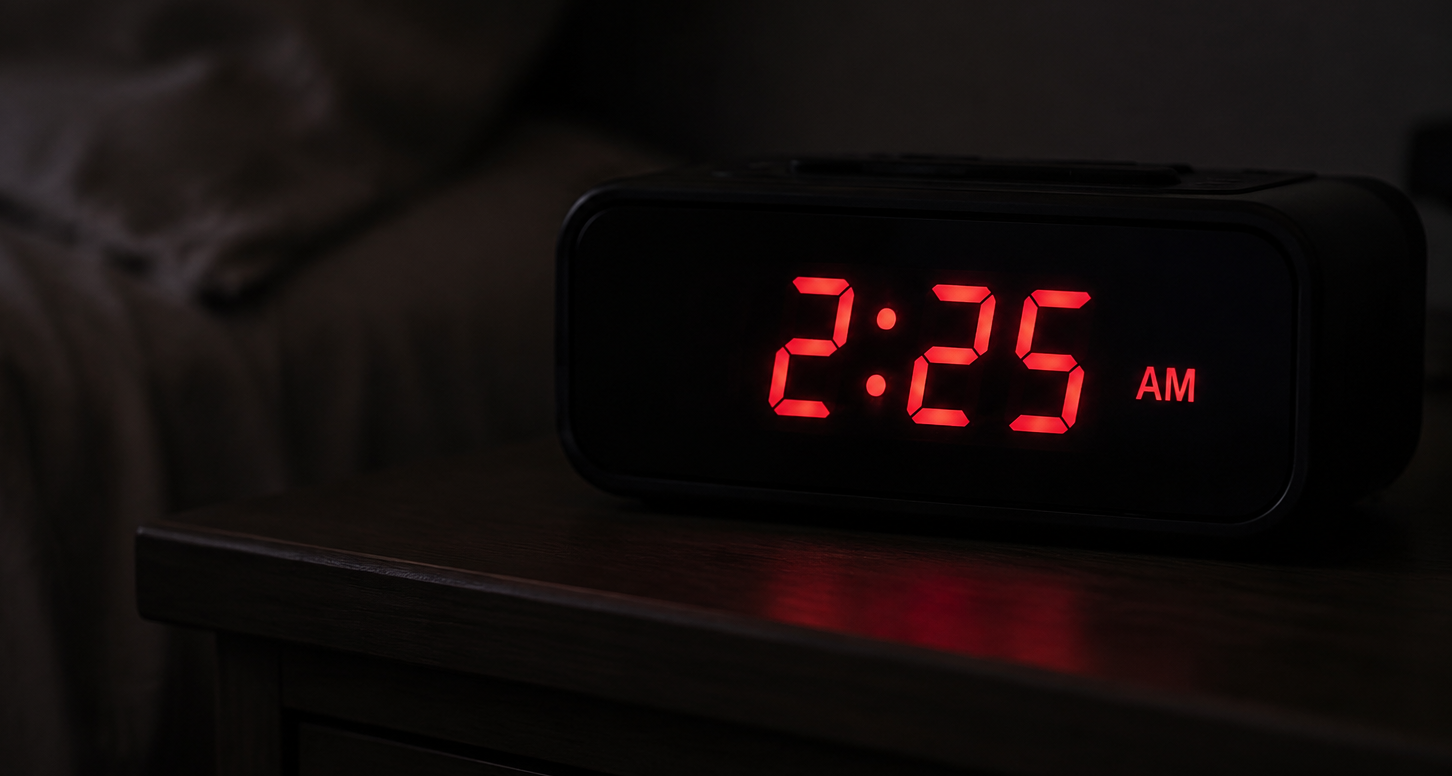
I needed to leave for Northwestern in downtown Chicago by 5:30 a.m. on July 2, 2026, which meant getting up at an hour when even the birds would still be asleep. I went to bed around 10:00 p.m. and fell asleep within about ten minutes. For a brief moment, I thought I might actually sleep well. Then I woke up at 11:02 p.m., 12:35 a.m., 1:13 a.m., and 2:25 a.m. Because, of course I did.
I was nervous about the surgery itself, but I was equally nervous that I would somehow oversleep and miss it. Apparently, my brain believed the best way to prevent that was to wake me several hours early and refuse to let me fall back asleep. What a great time to be proactive.
I had never undergone surgery like this before. Someone was going to make an incision behind my ear, drill into my skull and place an electrode inside my cochlea. That is not a particularly soothing bedtime thought. And then, of course, the brain goes on this rollercoaster ride of “Did I make the right choice?”, “What if everything goes south and nothing works out?” and my favorite, “Hey, remember the image from the scan?” Amazing material for getting back to sleep. Needless to say, I didn’t fall back asleep after 2:25 a.m.
I was excited about what the implant might give me: the possibility of understanding more words, hearing sounds I had been missing, and participating in conversations without working quite so hard. But the possibilities traveled in both directions. There was no guarantee that the implant would work the way I hoped. I could lose the residual hearing in my left ear. The sounds I still had—birds, voices, Tessa whining—might disappear from that ear and be replaced by something my brain couldn’t understand.
Once the surgery was done, there would be no undoing it. I kept reminding myself why I had made the decision. My left ear could recognize only 12 percent of speech. I wasn’t giving up useful clarity. I was taking a chance that the implant could give me access to words my hearing aid no longer could. I had researched the hell out of it. I trusted my surgeon. I trusted my audiologist. I trusted the decision I had made.
But trust does not always quiet fear, especially at 2:25 in the morning. So I lay there, awake and waiting, caught between the life I understood and one I couldn’t yet imagine. In a few hours, I would leave home wearing two hearing aids. I would return with an implant inside my head. And although I wouldn’t hear through it for another eleven days, the first step into my new beginning was only a few hours away.

Comments